A Beginner’s Guide to Investing in Rental Real Estate

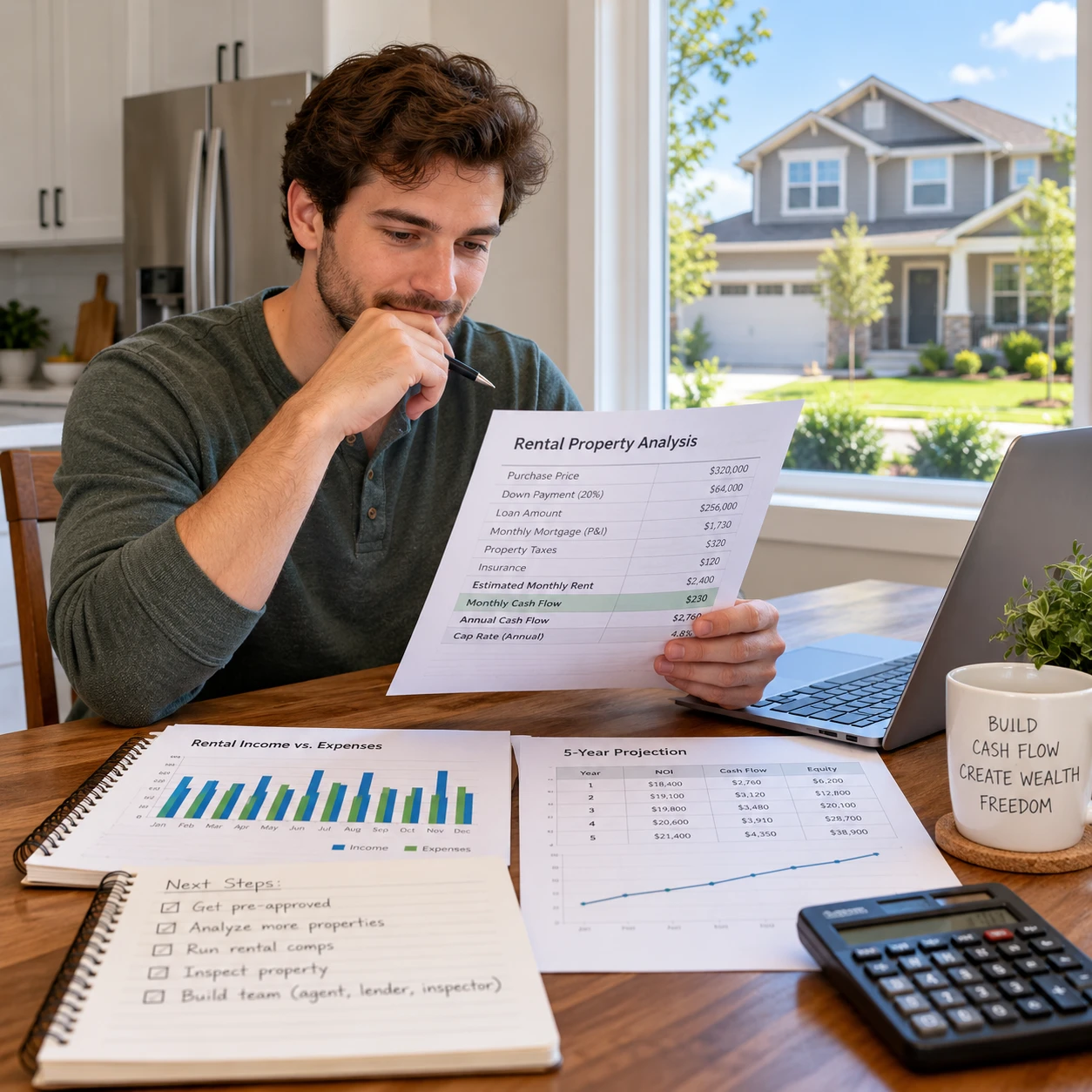
Investing in rental real estate means buying a property to rent to tenants and managing the income, costs, and responsibilities that come with ownership. A rental property can provide regular income and may build equity over time, but neither rent nor property values are guaranteed to rise. For beginners, the useful first step is to understand the full operating picture before making an offer.
How rental real estate investing works
Rental real estate investing involves buying a home or other property, leasing it to tenants, and covering its costs with rental income. Your result depends on the rent you collect, operating expenses, financing, vacancies, and the work required to keep the property in good condition.
The key distinction is that rental income is revenue, not profit. A tenant’s monthly payment may need to cover mortgage payments, property taxes, insurance, repairs, utilities you provide, and other costs. After those expenses, the remaining amount is your cash flow. A property can have positive cash flow, break even, or require you to contribute money.
Ownership may also build equity as you pay down a loan, and a property’s market value could change over time. Those possibilities are uncertain and should not be used to excuse weak operating numbers. Appreciation is outside your control; expenses and property condition still need attention each month.
Think of the investment as three connected jobs: buy carefully, operate within a realistic budget, and comply with local landlord rules. A property that looks attractive in a listing may not work as a rental once you account for its condition, financing, and likely tenant demand.
Choose a property and location
Choose a rental property by matching its condition and cost to local tenant demand. The strongest candidate is not necessarily the cheapest home; it is one that suitable renters can afford and that you can maintain within your budget.
Start with the likely tenant. A small apartment near transit may suit a single renter, while a larger home near schools could appeal to a household. Consider the features that matter to that group, such as bedrooms, parking, laundry, accessibility, and commute options. Then check whether comparable homes are actually being rented at the asking prices you have in mind.
Assess the local real estate market at a practical level. Look at comparable rental listings, how long they remain available, nearby employers and services, planned construction, and the supply of similar properties. Listing prices are only asking prices; wherever possible, verify rents with local property managers or reliable rental data. A high advertised rent does not help if demand is thin or tenants have many alternatives.
Inspect the property’s condition before you estimate returns. Pay attention to the roof, plumbing, electrical systems, heating and cooling, windows, drainage, and signs of water damage. A professional inspection can identify issues that a casual viewing misses. Also check zoning and permitted use, building requirements, insurance availability, and local rules that could affect renting or future repairs.
Location and condition work together. A well-maintained property in a low-demand area can still sit vacant; a popular location does not make major structural problems affordable. Compare properties using the same assumptions about rent, repairs, and vacancy rather than letting a promising neighborhood story decide for you.
Estimate costs, income, and cash flow
Estimate rental cash flow by subtracting realistic operating expenses and financing costs from expected rent. Use conservative rent assumptions and include vacancy and repairs; a rough budget is more useful than treating every month as fully occupied.
Build the estimate in two stages. First, calculate likely monthly rental income using comparable properties, adjusting for differences in size, condition, and amenities. Then account for periods without a tenant. A vacancy rate is the share of time a rental is unoccupied; even a short gap between leases can mean lost rent as well as cleaning, advertising, or turnover costs.
Next, list recurring costs. These commonly include property taxes, landlord insurance, routine maintenance, repairs, utilities paid by the owner, property management, and any association fees. Mortgage principal and interest are also part of your monthly budget, though they are financing costs rather than operating expenses in many accounting contexts. Tax treatment varies, so consult a qualified tax professional about your situation.
- Upfront costs: down payment, closing costs, inspections, lender fees, and immediate repairs or safety work.
- Recurring expenses: taxes, insurance, loan payments, utilities, management, and routine upkeep.
- Irregular costs: appliance replacement, plumbing failures, roof work, tenant turnover, and other larger repairs.
For a simple working estimate, subtract monthly expenses and a vacancy-and-repair allowance from expected rent, then subtract the mortgage payment to estimate cash flow. This is a planning tool, not a guarantee. Actual costs vary by property and market, and an apparently positive monthly figure may still be inadequate if you have not set aside money for major work. Test the budget with lower rent, a vacant month, or a significant repair before deciding what you can afford.
Explore financing and prepare to buy
Rental property financing can involve an investment-property mortgage, cash, or other eligible financing, and each choice changes your upfront costs and ongoing risk. Before making an offer, confirm the loan terms with a lender and complete due diligence on both the property and the numbers.
Ask lenders about the down payment, interest rate, loan term, closing costs, required reserves, and whether the loan has conditions specific to a rental property. Requirements vary by lender, borrower, property, and location. A larger down payment can reduce borrowing, but it also ties up more cash that might be needed for repairs or vacancies. Compare the full cost of financing, not only the advertised rate.
Before an offer, assemble a due-diligence file. Review comparable rents, property tax records, insurance quotes, utility responsibilities, lease history where available, and any association rules. Arrange an independent inspection and ask about permits for past renovations. Verify the property’s legal use and check local requirements for rental registration, safety standards, deposits, notices, and inspections.
Make your offer contingent on appropriate inspections or financing where local practice and the contract allow. If the inspection finds a costly issue, get repair estimates and revisit the budget. A seller’s assurance that a problem is minor is not a substitute for a qualified assessment. For complex contracts, local legal requirements, or tax questions, consult the relevant qualified professional before you commit.
Decide how you’ll manage the property
You can manage a rental property yourself or hire a property manager; the right choice depends on your time, experience, distance from the property, and ability to respond to problems. Self-management may save a fee, while professional management can reduce day-to-day work but does not remove your legal responsibility as the owner.
Self-management usually means advertising the rental, screening applicants consistently and lawfully, preparing leases, collecting rent, responding to maintenance requests, arranging repairs, keeping records, and handling move-in and move-out inspections. You also need a reliable plan for urgent problems, such as a heating failure or water leak outside normal working hours.
A property manager may handle some or all of these tasks for a fee. Ask what services the agreement includes, how maintenance is approved, whether there are leasing or renewal charges, how vacancies are handled, and how the manager reports income and expenses. Check references and read the contract before hiring. Outsourcing the work can save time, but it lowers the cash flow available to you and does not guarantee good tenant service.
Landlord responsibilities include meeting housing and safety rules, maintaining the property, protecting tenant information and deposits as local law requires, and following lawful procedures for notices and entry. Requirements differ by jurisdiction. Use local government guidance and qualified legal advice when you are unsure rather than relying on a generic lease template.
Understand risks and plan for the long term
Rental real estate carries financial and operational risks, including vacancies, repairs, changing expenses, and tenant disputes. A cash reserve and conservative assumptions can help you handle setbacks, but they cannot eliminate the possibility of a loss.
Vacancy can result from weak demand, seasonal turnover, a rent set above comparable homes, or repairs that delay a new lease. Unexpected maintenance can also be expensive and time-sensitive. Meanwhile, taxes, insurance premiums, utility rates, and borrowing costs may change. Review your budget regularly and avoid assuming that rent increases will automatically offset higher expenses.
Plan a reserve based on the property’s age, condition, insurance deductible, likely repair needs, and your personal finances. There is no universal reserve amount that fits every rental. Keep funds accessible for both routine work and larger surprises, and avoid relying on a credit card or immediate refinancing as your only backup.
Tenant issues require clear processes and consistent documentation. Use written leases, keep records of payments and repairs, respond promptly to maintenance concerns, and follow local rules for notices, entry, and dispute resolution. If a tenant stops paying or raises a serious repair concern, get local professional guidance; informal shortcuts can create legal and financial problems.
Review the investment at least annually. Compare actual rent and expenses with your original estimate, inspect the property, update insurance, and check whether the management arrangement still works. Long-term ownership can demand time and cash even when a property is occupied. The goal is a plan that remains workable through ordinary setbacks, not a forecast that depends on everything going right.
Frequently asked questions
How much money do you need to start investing in rental property?
There is no single starting amount. You may need a down payment, closing costs, inspections, initial repairs, and a reserve for vacancies and ongoing expenses. The total depends on the property, financing terms, lender requirements, and local costs. Get lender estimates and property-specific quotes before setting a budget.
How do you estimate rental cash flow?
Start with realistic monthly rent, subtract operating expenses and allowances for vacancy and repairs, then account for mortgage payments. Include costs such as taxes, insurance, utilities you pay, management fees, and maintenance. Stress-test the estimate with lower rent or an unexpected repair.
Is it better to manage a rental property yourself?
Self-management may save money if you have the time, skills, and ability to respond quickly. A property manager may suit owners who live farther away or prefer to delegate, but fees reduce cash flow. Compare the actual services and contract terms, and remember that the owner remains responsible for legal compliance.
What costs should a new landlord budget for?
Budget for the down payment and closing costs, loan payments, taxes, insurance, routine maintenance, repairs, vacancy, utilities you cover, tenant turnover, and management if applicable. Also consider inspection and compliance costs. The exact list depends on the property and local rules.
What should you check before buying a rental property?
Check comparable rents and local demand, property condition, likely repair costs, insurance, taxes, financing, and legal rental requirements. Review leases or rental history if available, verify permitted use, and arrange a professional inspection. Make sure the budget still works when rent is lower or the property is vacant.